Do I need an ID to cash a check?
If you've lost your ID or don't have it available, you may still have a few options to cash or deposit a check.
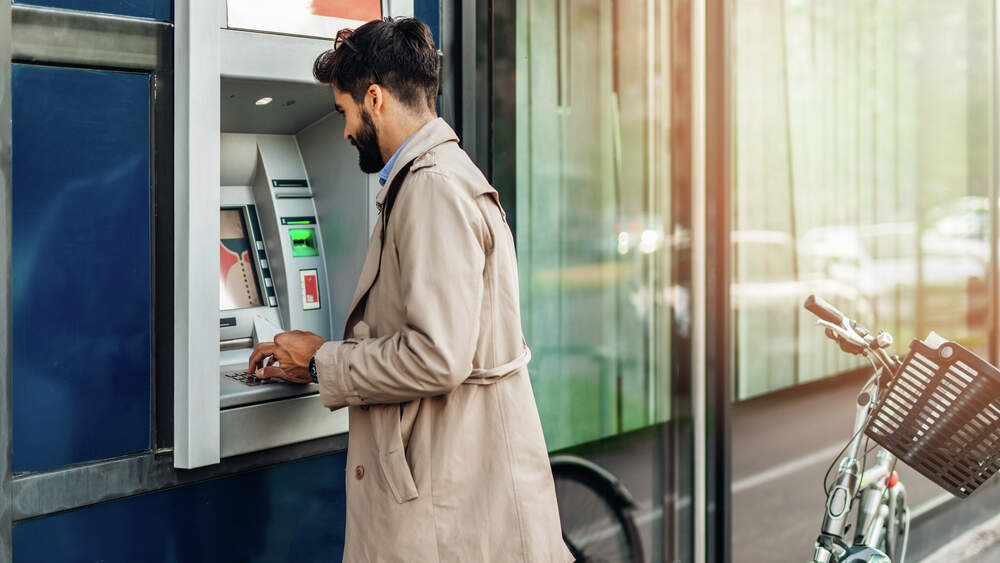
Deposit it into your account through an ATM at your bank
If you already have a bank account, you may be able to deposit your check through an ATM without showing ID. Once deposited, you can typically access the funds according to your bank's availability policy.
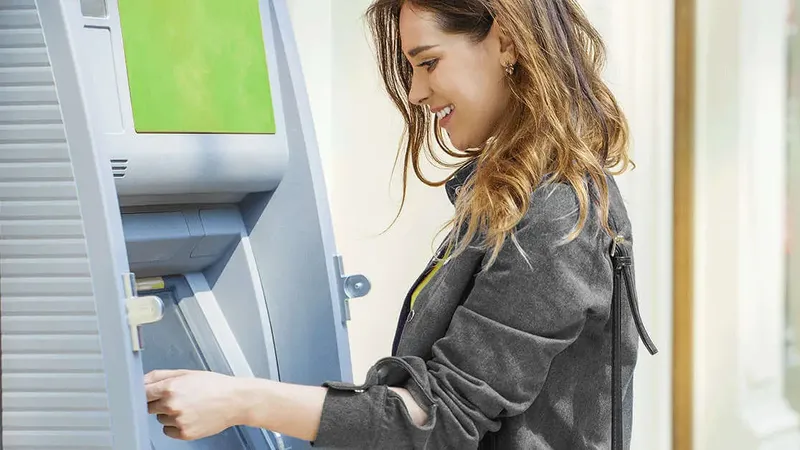
Take advantage of ATM check cashing if your bank offers it
Some banks allow account holders to cash checks directly at an ATM. Availability varies by bank, account type, and the amount of the check.
Sign the check over to someone else
As a last resort, you can sign the check over to someone you trust and ask them to cash it for you. This creates a third-party check, although not all banks accept them.
Most banks and check-cashing services require identification before cashing a check. Commonly accepted forms of identification include a driver's license, state-issued ID card or passport. You can learn more about what may qualify as an acceptable form of ID.
Before cashing or depositing a check, you'll typically need to endorse the check by signing the back. Some financial institutions may also ask you to write "For Deposit Only" below your signature when making a deposit.
Can someone else cash my check for me?
In some cases, yes. You may be able to sign the check over to someone else by creating a third-party check. However, many banks require both the original payee and the person cashing the check to be present and provide valid identification before the check can be processed. Before relying on this option, check with the bank that will be cashing the check to confirm its requirements.
Frequently asked questions about cashing a check without a bank account
Where can I cash a check without a bank account?
You can cash a check without a bank account at the issuing bank, a retailer such as a grocery or big-box store, a check-cashing store or by depositing it onto a prepaid card or checkless debit card account. The best option depends on the type of check, available fees and how quickly you need access to your money. In most cases, you'll need to show a valid government-issued photo ID to cash the check.
Can you cash a check without a bank account or ID?
Yes, you can cash a check without a bank account, and in some situations without ID. If you don't have ID, you may be able to deposit the check at your bank's ATM, use ATM check-cashing services if your bank offers them or sign the check over to someone you trust. When identification is required, most banks and check-cashing services accept a valid government-issued photo ID, such as a driver's license, state ID or passport.
What app will cash a check instantly without a bank account?
Several mobile apps, including PayPal, Cash App and Ingo Money, allow users to cash checks without a traditional bank account. Typically, you'll endorse the check, take photos of the front and back, and submit it through the app. Approved funds are usually loaded to an app balance or prepaid card account. Instant access may be available for a fee, often around 1% to 5% of the check amount, while standard processing may be free but can take several business days.
Can someone else cash a check for me?
Yes, in some cases, someone else can cash a check for you through a third-party check. To do this, you'll typically endorse the check and sign it over to the other person. However, banks are not required to accept third-party checks, and policies vary by institution. Some banks may require both parties to be present and show valid government-issued photo ID before approving the transaction, so it's a good idea to confirm the bank's requirements in advance.
How much does it cost to cash a check without a bank account?
The cost to cash a check without a bank account can range from a few dollars to as much as 10% of the check amount, depending on the method you use. Cashing a check at the issuing bank is often the lowest-cost option, while major retailers may charge a flat fee. Check-cashing stores commonly charge between 1% and 10% of the check's value, and mobile check-cashing apps may charge about 1% to 5% for instant access to funds. Comparing fees before choosing a method can help you keep more of your money.