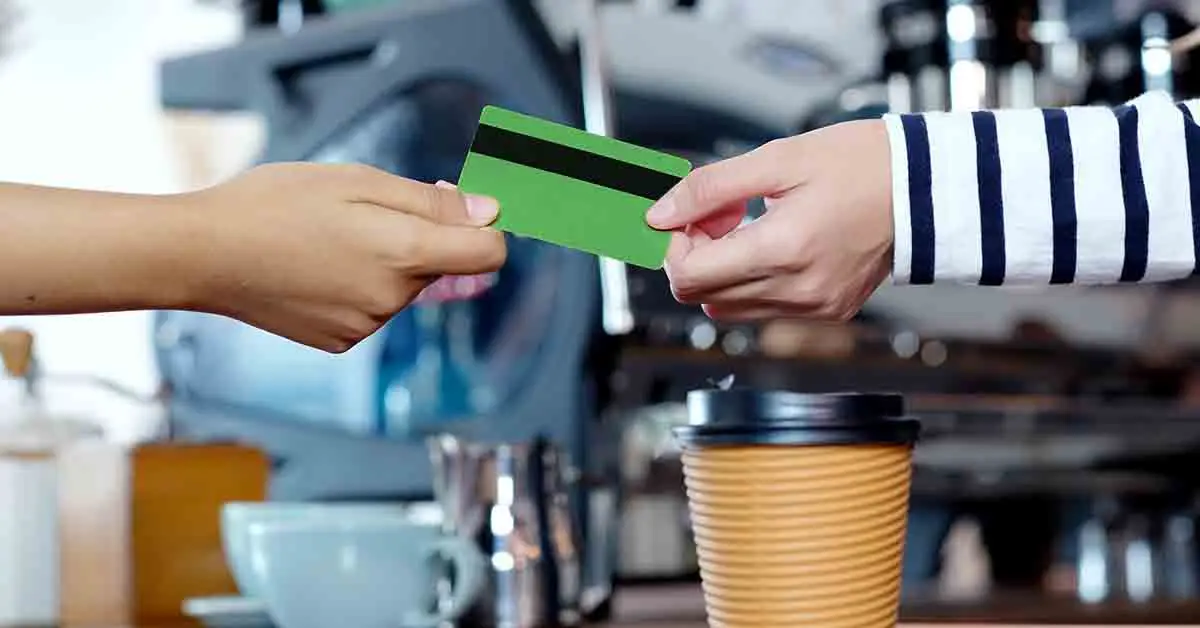

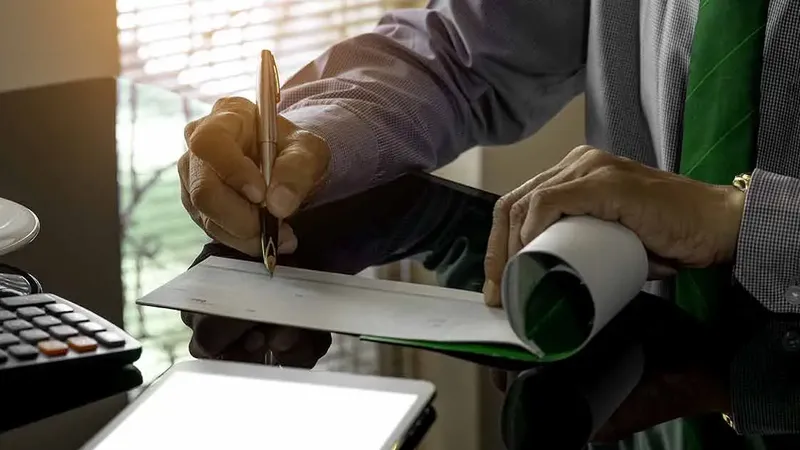


A checking account provides you with access to funds through deposits and withdrawals. When you open a new checking account, you can apply to receive a debit card.

Think of your debit card like a key to accessing the funds in your account. A debit card is a payment card that is linked to the funds in your account and can be used to withdraw or deposit cash at ATMs and be used at both in-person and online retailers. When you use your debit card to pay for goods or services, those funds will be deducted from your checking account balance.

Difference between a checking account and debit card

Can you have a debit card without a checking account?

Yes. If you do not have access to a bank account, whether it be due to identity theft recovery or otherwise, pre-paid debit cards can be a great alternative. Pre-paid debit cards need to be loaded with money, and you can buy one at a local store or online††. A pre-paid card can also be used to withdraw money from an ATM, just like a standard debit card.

Is the checking account number on a debit card?

No. The number shown on the debit card is the card number, not the checking account number. The checking account number can be found along the bottom of a check, on a bank statement, or through an online banking platform. If you are unable to locate your account number, you can contact your bank’s customer service department§§.

Open a Huntington checking account

If you want a basic checking account with no monthly maintenance fee, or an interest-earning checking account, we've got the options that are right for you.

Can you have multiple debit cards for one checking account?

An individual bank account is opened by one person and owned by that person, and the funds can only be accessed by that individual with one debit card. But for a joint checking account, banks can provide you with a debit card for each person listed on the account¥¥.

How can I withdraw money from a checking account without a debit card?

There a few ways to make a withdrawal without a debit card or ATM card. Tellers and employees at a bank branch can be very helpful in making withdrawals. If you have a checkbook, writing a check made out to cash will get your cash without an ATM. You can give your check to the bank teller or to a cashier at a local retailer to receive your funds in return†††.

Build your financial know-how

Checking Basics

Cashier’s check vs money order

A cashier’s check and a money order are both forms of payment that can be used instead of cash or personal checks, but that’s where the comparisons stop.

Checking Basics

What’s the difference between credit & debit cards?

Debit and credit cards are both used to pay for goods or services without paying in cash or writing a check. The difference between the two is where the money to pay for the purchase comes from.

Checking Basics

Online banking vs traditional banking

Every day, our world becomes more technologically advanced, changing many aspects of our lives—including the way we bank. Read on to learn more about online banking and how it can benefit you.

Peter Carleton. “Checking accounts vs. debit cards: 5 big differences.” Updated April 16, 2020.

Jake Frankenfield. “What Is a Checking Account?” Investopedia.com. Updated April 14, 2020.

§ Chris Moon. “What is a Checking Account and How Does it Work?” ValuePenguin.com. Accessed April 2020.

¥ Spencer Tierney. “What Is a Debit Card?” NerdWallet.com. Updated January 28, 2019.

†† “Prepaid Cards” Consumer.gov. Accessed on August 26, 2020.

‡‡ Justin Pritchard. “How to Live With No Bank Account.” TheBalance.com. Updated March 19, 2020.

§§ Shen Lu. “Where Is The Account Number on a Check and What Is It For?” MagnifyMoney.com. Updated January 31, 2019.

¥¥ Amy Wright. “Understanding joint bank accounts – How do they work?” BBVAUSA.com. Updated June 8, 2018.

††† Lori Hubbard. “How to Withdraw Money Without an ATM Card.” PocketSense.com. Updated October 20, 2018.

Lending products are subject to credit application and approval.

Disclosure

The information provided in this document is intended solely for general informational purposes and is provided with the understanding that neither Huntington, its affiliates nor any other party is engaging in rendering financial, legal, technical or other professional advice or services, or endorsing any third-party product or service. Any use of this information should be done only in consultation with a qualified and licensed professional who can take into account all relevant factors and desired outcomes in the context of the facts surrounding your particular circumstances. The information in this document was developed with reasonable care and attention. However, it is possible that some of the information is incomplete, incorrect, or inapplicable to particular circumstances or conditions. NEITHER HUNTINGTON NOR ITS AFFILIATES SHALL HAVE LIABILITY FOR ANY DAMAGES, LOSSES, COSTS OR EXPENSES (DIRECT, CONSEQUENTIAL, SPECIAL, INDIRECT OR OTHERWISE) RESULTING FROM USING, RELYING ON OR ACTING UPON INFORMATION IN THIS DOCUMENT EVEN IF HUNTINGTON AND/OR ITS AFFILIATES HAVE BEEN ADVISED OF OR FORESEEN THE POSSIBILITY OF SUCH DAMAGES, LOSSES, COSTS OR EXPENSES.

Third-party product, service and business names are trademarks/service marks of their respective owners.