
What is a certified check?

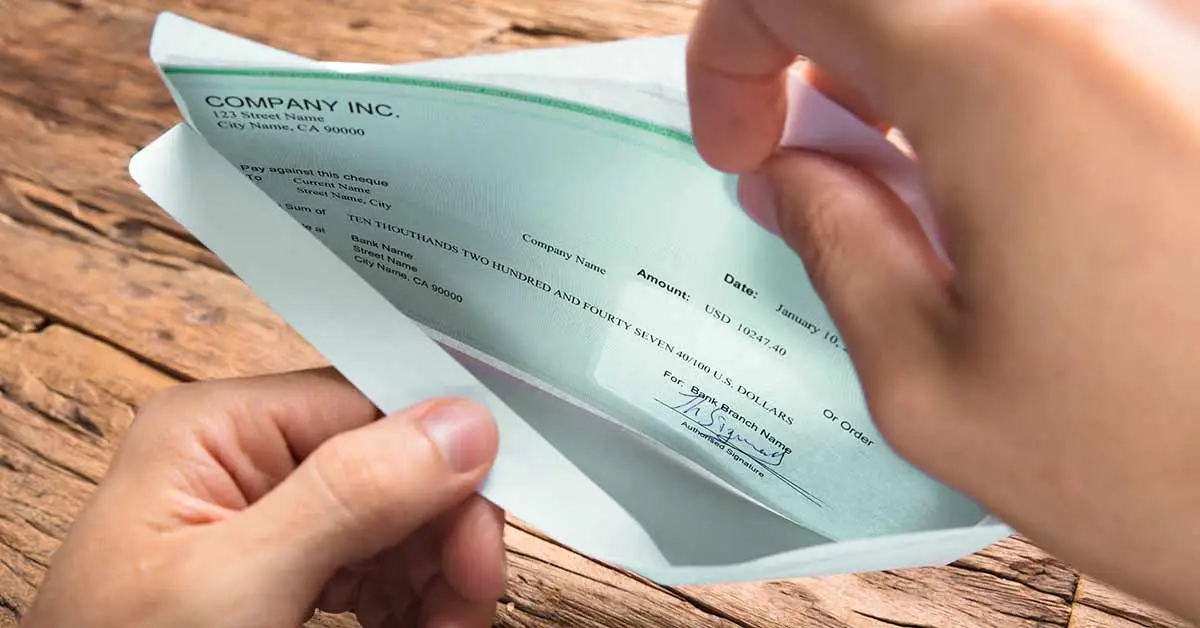
A certified check is a personal check that the payer’s bank has certified to be legitimate and has earmarked the funds for the check. It’s a type of “official” payment. People often confuse certified checks with cashier’s checks. So, what’s the difference between a certified check and a cashier’s check?

A certified check is a personal check that the bank has certified and it’s drawn on personal funds. The certification process physically marks the check indicating it is now a certified check and earmarks the funds for that check. Most banks won’t release those funds for any other reason.

A cashier’s check is a check backed by the bank. The bank takes the funds from the person requesting the cashier’s check and holds it in escrow, a special account specifically used to cover the check amount. Then, the bank prints a check against the funds they are holding. Both certified checks and cashier’s checks are “official” checks and considered “guaranteed” funds.

Benefits of using a certified check

A certified check is useful when purchasing pricey items. If someone is buying an expensive appliance or paying for home improvements, it’s impractical and dangerous to carry that amount of cash on you. It’s more practical and safer to write a check, but the payee may want more protections than what’s provided by a normal personal check. With a certified check, the recipient knows that the bank has verified the check, signature, and availability of funds. It’s a source of guaranteed funds.

The process of certifying a check verifies:

  • The person writing the check has the authority to write checks on that account.
  • The check, itself, is legitimate and hasn’t been washed or chemically treated.
  • The signature is a legitimate signature.
  • The account is active and in good standing.
  • The funds are available and will be earmarked for that check for a certain amount of time.

Open a Huntington checking account

If you want a basic checking account with no monthly maintenance fee, or an interest-earning checking account, we've got the options that are right for you.

Even if you are expecting to receive a certified check, you should be on the lookout for fakes. Legitimate certified checks are guaranteed funds, but if a scam artist has created a fraudulent check, forged the signature, and forged the certification marks, then it is a forged or bad check. If you suspect that a check is fake you shouldn’t attempt to cash or deposit it. How and where to get a certified check

To get a certified check, inquire at your bank. Some banks offer cashier’s checks and some offer certified checks. It’s rare that a bank will offer both types and more banks are switching to cashier’s checks.

How to get a certified check:

  1. Verify that your bank offers certified checks.
  2. Visit the local branch of your bank.
  3. Inform the teller that you want a certified check and ask for any specific instructions.
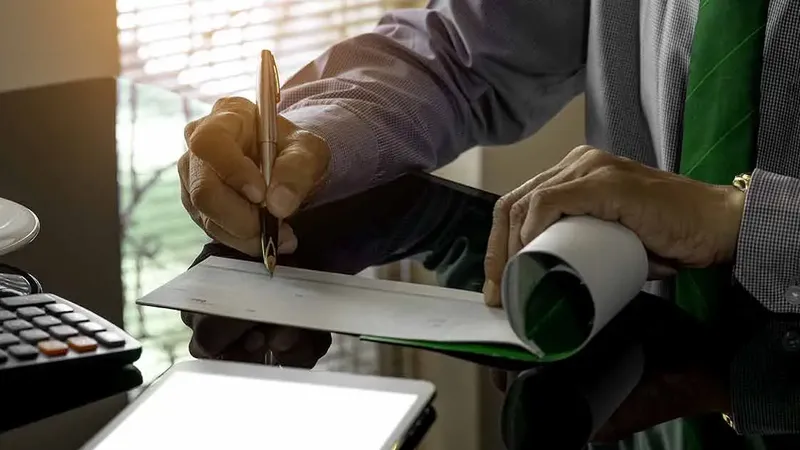
  4. Write the check in front of the teller.
  5. Show your ID to the teller.
  6. Wait as the teller verifies the funds and stamps or marks your check as certified.
  7. Pay any fee that your bank charges for this service.
  8. Keep your receipt until the check clears your account.

At this time, Huntington only offers cashier's checks and does not offer certified checks. Learn more about how to order checks online, by phone, or at a branch. Contact your local Huntington branch to learn more about services offered near you.

Fees for a certified check

There are fees associated with certified checks. Like other types of fees, the fee can vary widely from bank to bank. You can find this information in the bank’s fee schedule or ask a customer service agent.

Build your financial know-how

Checking Basics

Cashier’s check vs money order

A cashier’s check and a money order are both forms of payment that can be used instead of cash or personal checks, but that’s where the comparisons stop.

Checking Basics

How to cash a check without a bank account or ID

Have a paper check to cash, but don't have a bank account? No worries, you can still cash a check without a bank account by cashing it at the issuing bank or a check cashing store.

Checking Basics

How long is a check good for: do checks expire?

Most checks are good for six months. However, the details can get tricky. Exactly how long a check is good for varies depending upon the check, and we can help you understand why.

Disclosure

The information provided in this document is intended solely for general informational purposes and is provided with the understanding that neither Huntington, its affiliates nor any other party is engaging in rendering financial, legal, technical or other professional advice or services, or endorsing any third-party product or service. Any use of this information should be done only in consultation with a qualified and licensed professional who can take into account all relevant factors and desired outcomes in the context of the facts surrounding your particular circumstances. The information in this document was developed with reasonable care and attention. However, it is possible that some of the information is incomplete, incorrect, or inapplicable to particular circumstances or conditions. NEITHER HUNTINGTON NOR ITS AFFILIATES SHALL HAVE LIABILITY FOR ANY DAMAGES, LOSSES, COSTS OR EXPENSES (DIRECT, CONSEQUENTIAL, SPECIAL, INDIRECT OR OTHERWISE) RESULTING FROM USING, RELYING ON OR ACTING UPON INFORMATION IN THIS DOCUMENT EVEN IF HUNTINGTON AND/OR ITS AFFILIATES HAVE BEEN ADVISED OF OR FORESEEN THE POSSIBILITY OF SUCH DAMAGES, LOSSES, COSTS OR EXPENSES.

Third-party product, service and business names are trademarks/service marks of their respective owners.